
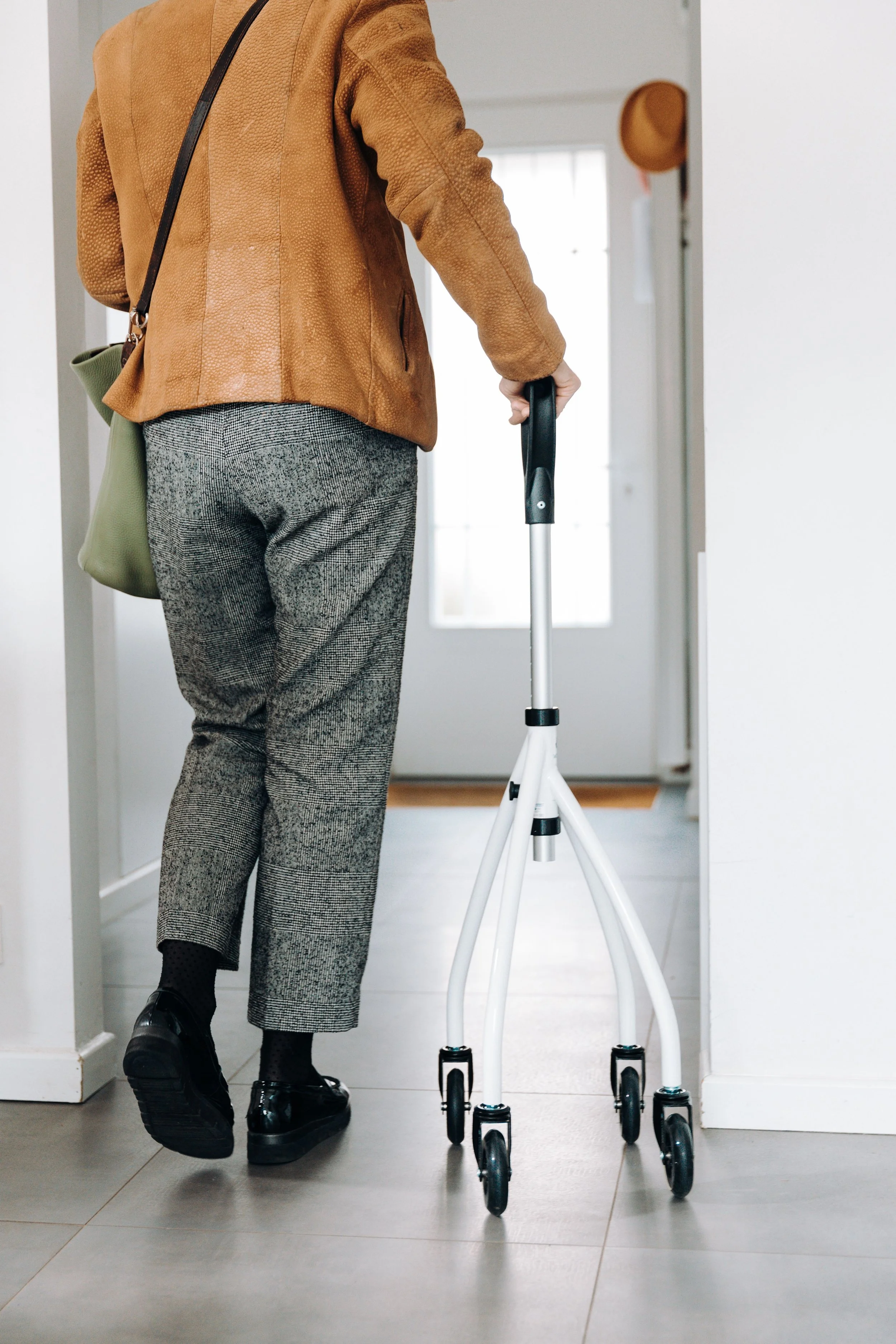
Walking Aids Explained: How to Choose the Right Walker or Walking Stick
Choosing the right walking aid can improve stability, mobility and confidence. Learn about walking sticks, walking frames, walkers and rollators, correct fitting, and how physiotherapy can help.

Neck Pain from Poor Posture: Physiotherapy, Treatment & Prevention
Neck pain from poor posture can be influenced by prolonged sitting, screen use, reduced movement and other factors. Learn how physiotherapy, exercise, movement and ergonomic strategies can help manage and prevent neck pain.
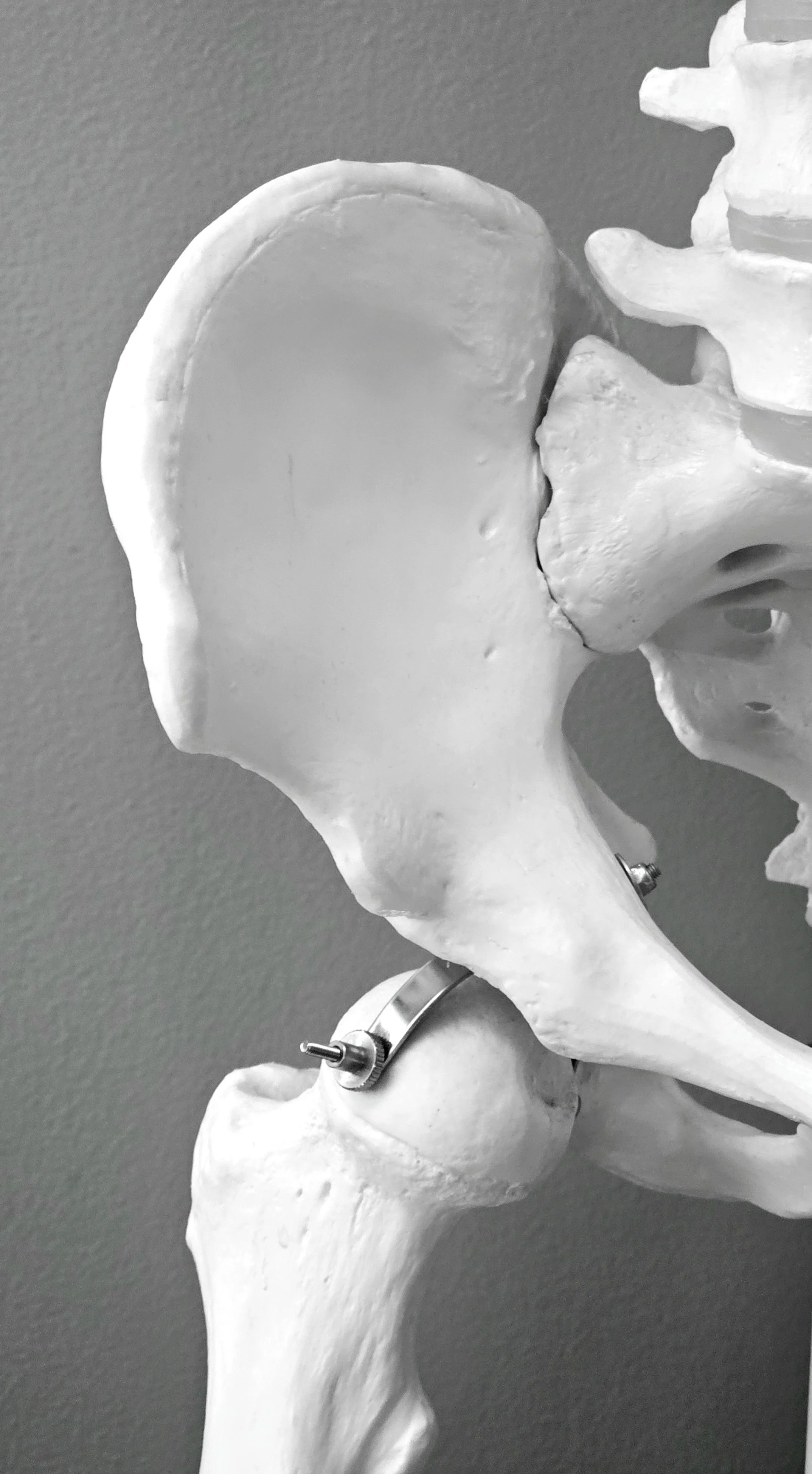
Managing Severe Osteoporosis in the Community: What’s Safe, What’s Avoided, and Common Myths About Movement
Living with severe osteoporosis doesn’t mean you need to stop moving. Learn what exercises and movements are generally safe, what may need modification, and how physiotherapy can help improve strength, balance, mobility, falls prevention, and confidence.
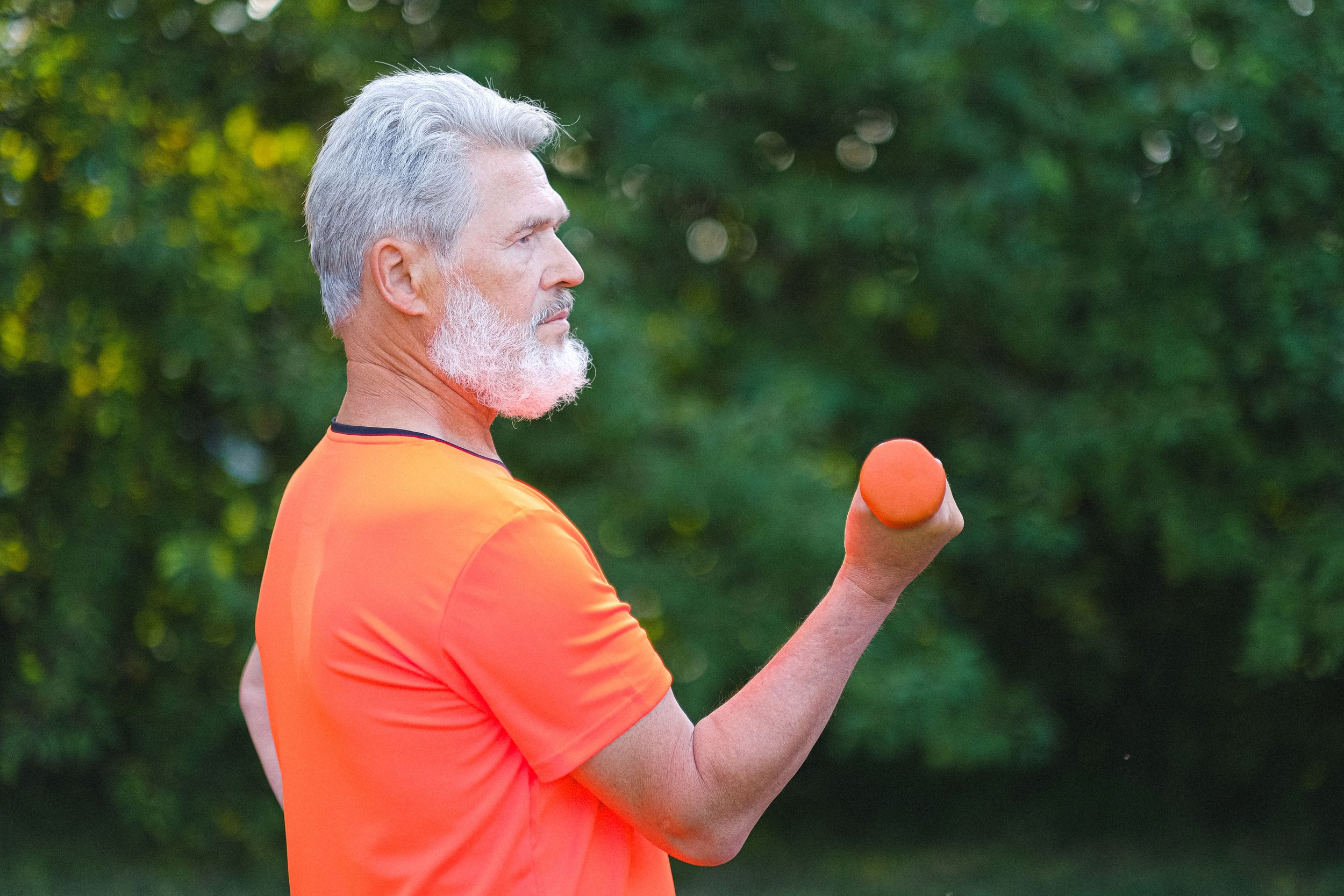
What Is Sarcopenia? Understanding Age-Related Muscle Loss
Sarcopenia is a common age-related condition that causes gradual muscle loss, weakness, reduced mobility, and increased falls risk. Learn how physiotherapy, strength training, and early intervention can help older adults maintain strength, independence, and confidence.

Understanding Sciatica: Symptoms, Causes & Physiotherapy Treatment
Learn about sciatica symptoms, common causes and treatment options, including how physiotherapy can help manage sciatic nerve pain and support your recovery.
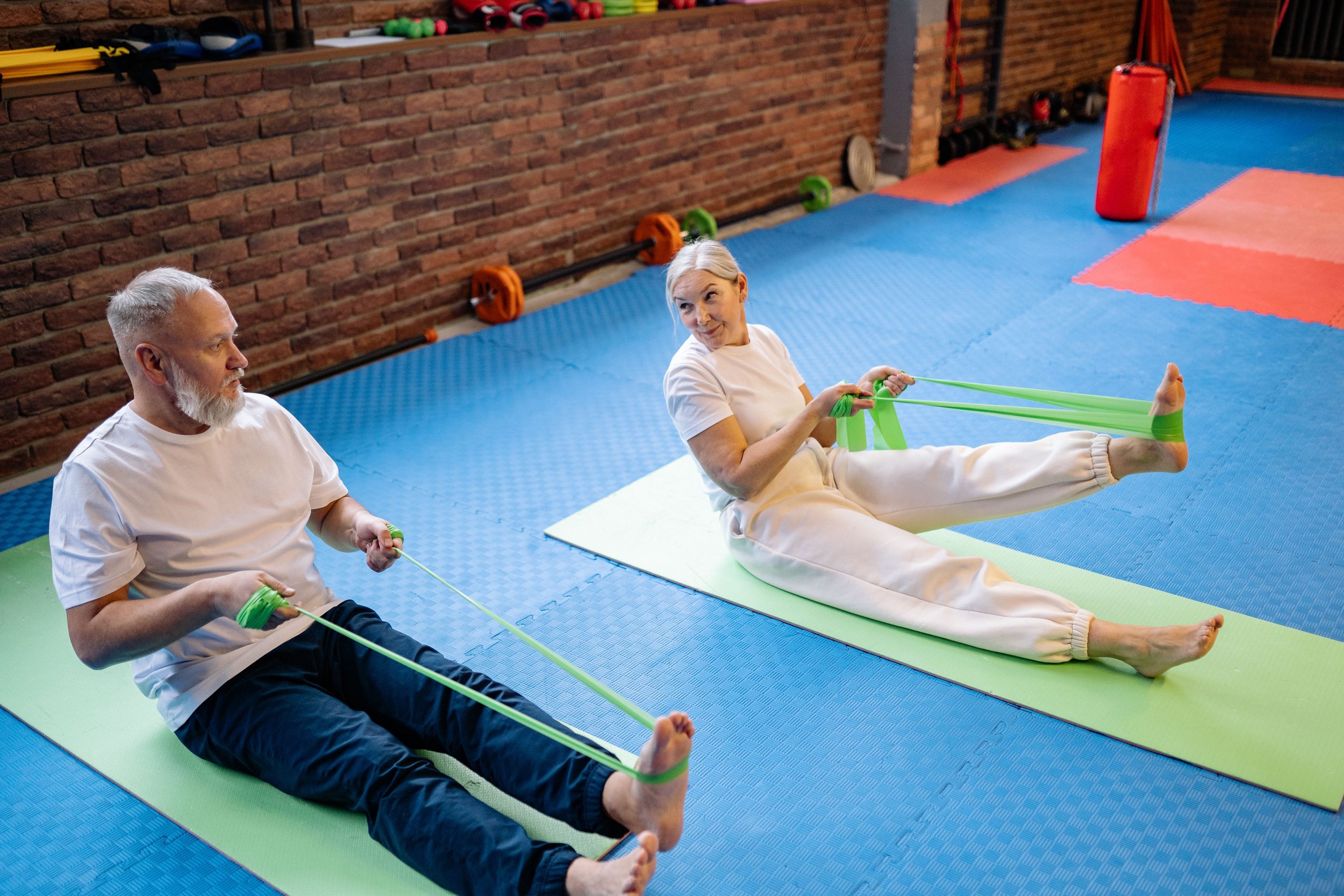
Why Am I Losing Strength as I Get Older?
Losing muscle strength as you age is common, but it isn't inevitable. Learn why strength declines, how strength training can help, and when physiotherapy may support your mobility, balance and independence.

The Hidden Risks of Sitting Too Much: How Staying Active Can Improve Strength, Balance and Mobility
Learn how too much sitting can affect strength, flexibility and balance, plus simple ways to move more throughout the day and stay independent as you age.

Massage and Lymphoedema: What You Need to Know
Living with lymphoedema? Not all massages are safe. Learn why deep tissue massage may worsen swelling, how Manual Lymphatic Drainage (MLD) works, and why choosing the right treatment is essential for effective lymphoedema management.

Lower Back Pain Relief at Home: How Physiotherapy Helps You Move Better and Recover Faster
Struggling with lower back pain? Learn how physiotherapy, exercise, and staying active can reduce pain, improve mobility, and help prevent future flare-ups.

Why Strength Training Matters for Older Adults
Learn how strength training helps older adults improve balance, mobility, bone health, and independence. Discover evidence-based benefits for falls prevention, osteoporosis management, and healthy ageing.

5 Common Myths About Osteoporosis Debunked
Many people have misconceptions about Osteoporosis that can lead to unnecessary fear and reduced activity. Discover the truth behind five common Osteoporosis myths and learn how exercise, physiotherapy, and healthy lifestyle choices can support stronger bones and better mobility.

Understanding Osteoporosis: How Safe Exercise and Physiotherapy Support Stronger Bones
An Osteoporosis diagnosis can feel overwhelming, but avoiding movement may do more harm than good. Learn how safe exercise, physiotherapy, and fall prevention strategies can help maintain bone health, improve strength, and support independence.

Stroke Rehabilitation
Learn how physiotherapy aids stroke recovery through improved mobility, balance, neuroplasticity, and independence. Evidence-based techniques promote healing, reduce pain, and enhance quality of life for stroke survivors.

The Evidence: Osteoporosis
Discover how exercise improves bone health and reduces fall risk in osteoporosis. Learn about safe and effective weight-bearing, resistance, and balance exercises tailored for better mobility and quality of life.

Understanding Osteoporosis
Learn about osteoporosis and osteopenia, their risk factors, and prevention strategies. Early detection and lifestyle changes can maintain bone health and reduce fracture risks.

The Evidence: Parkinson's Disease
Research highlights the benefits of aerobic activity, strength training, and balance exercises in reducing motor symptoms, enhancing mood, and promoting overall well-being.

Understanding Parkinson's Disease
Parkinson's disease is a progressive neurological condition that impacts movement, coordination, and daily life.

Benefits Of Exercise For MS
Exercise can help individuals with MS improve mobility, reduced fatigue, enhanced cognitive function, and better overall well-being.
Understanding Multiple Sclerosis (MS)
MS affects the CNS, causing symptoms like fatigue, weakness, pain and vision issues. It progresses differently across its various types, requiring tailored management.

How Exercise Improves Dementia
Regular exercise can reduce the risk of dementia and improve cognitive function. It promotes brain health, mood, and neuroplasticity.